

One operator, one vote
Voting power cannot be bought. Validators are admitted one per person through a transparent, published process.
MADAR is an independent Layer-1 blockchain secured by its operators' own devices. Every node verifies every block itself, and every admitted operator holds exactly one vote.
Free · Open source · Digitally signed releases
Practical tools for individuals and developers, open to everyone.
Your name instead of a long wallet address: yourname.madar, owned by your wallet's own signature.
Search your name →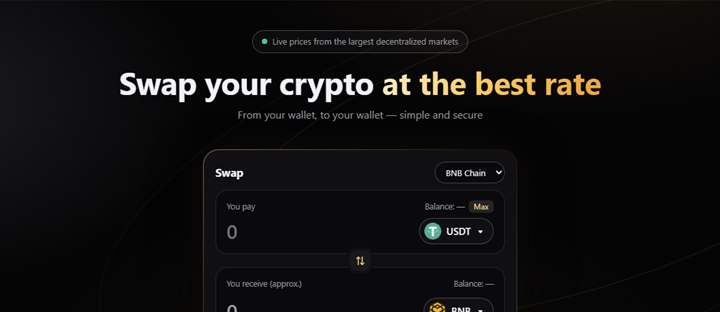
Swap your coins at the best available rate, straight from your wallet.
Open swap →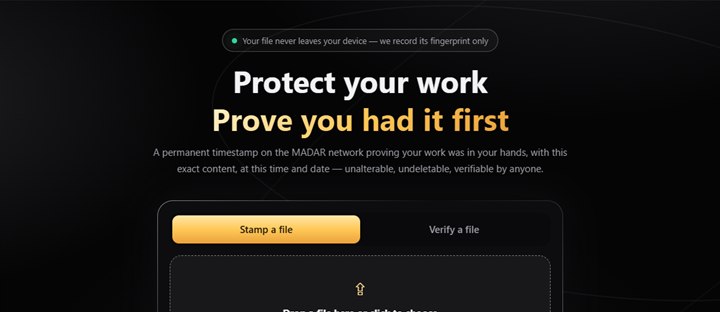
Prove your work existed at a specific time — without the file ever leaving your device.
Try it →Voting power cannot be bought. Validators are admitted one per person through a transparent, published process.
Every node independently validates the full chain, and every software release is cryptographically signed.
A standard home computer is sufficient. A MADAR node even runs on a small, low-power Android TV box.
Nodes detect stalls, recover automatically and resynchronize after any interruption.
Compare the file's SHA-256 fingerprint with the value below (Windows: certutil -hashfile FILE SHA256 · Linux: sha256sum FILE).
Windows (2.0.16):92d9fdfffd03f9010624e42d42a8e8870b5617e970a26887b15b57bfd3485bbe
Linux:d9138345d05332be76fab6a54f6bec4bb2ba4f3f9604b4e8481fc9db0a40f866
As a newly published application, Windows may display “Windows protected your PC”. Select “More info”, then “Run anyway”.
Yes. The node communicates only with the MADAR network, opens no inbound ports by default and never accesses your personal files. Every update is digitally signed, and the application can be uninstalled like any other program.
Resource usage is modest: a light processor load and roughly 600 MB of memory. You can pause it at any time, or have it pause automatically on battery power or metered connections.
Nodes that finalize blocks — validators — are admitted one per person through committee approval, a computational puzzle and a fair lottery. All other nodes independently verify the chain.
Yes. You may run as many standard nodes as you wish; only voting rights are limited to one per person.